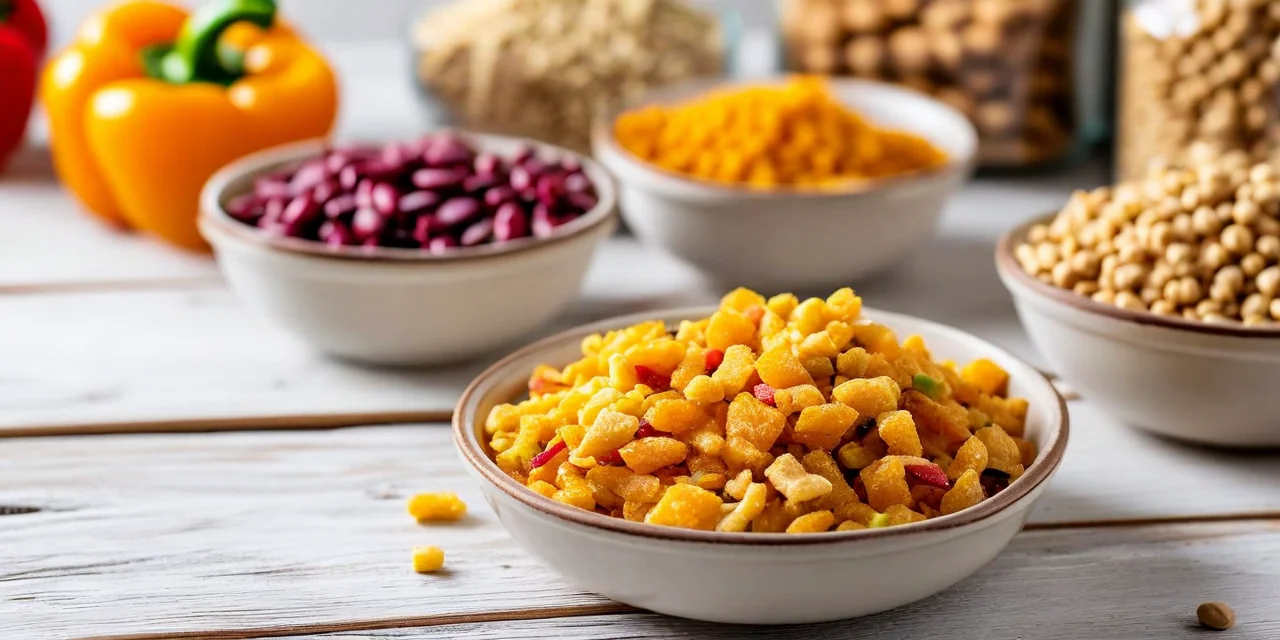
Building Your Emergency Food Supply
When I started freeze-drying, emergency preparedness wasn’t my primary goal. But after experiencing a week-long power outage during an ice storm, I realized how valuable a well-stocked freeze-dried pantry could be. Now I maintain a rotating supply that gives my family peace of mind.
Why Freeze-Dried for Emergencies?
Freeze-dried food offers unique advantages for emergency preparedness:
- 25-year shelf life when properly stored
- Lightweight for potential evacuation
- Nutritionally complete unlike many commercial emergency foods
- Familiar foods your family actually wants to eat
Calculating Your Needs
A good starting point is planning for 2,000 calories per person per day. For a family of four with a 3-month supply goal:
- 4 people × 90 days × 2,000 calories = 720,000 calories needed
- This translates to roughly 150-200 lbs of freeze-dried food
Essential Categories to Stock
Proteins (30% of supply)
- Freeze-dried ground beef
- Chicken breast pieces
- Eggs (scrambled before drying)
- Beans and legumes
Carbohydrates (40% of supply)
- Rice (par-cooked before drying)
- Pasta
- Potatoes (various preparations)
- Oatmeal and cereals
Fruits and Vegetables (20% of supply)
- Mixed vegetable blends
- Fruit variety packs
- Leafy greens (surprisingly good freeze-dried)
Complete Meals (10% of supply)
- Soups and stews
- Casseroles
- Breakfast scrambles
Storage Best Practices
For true long-term storage:
- Use mylar bags with oxygen absorbers
- Store in a cool, dark location
- Label everything with contents and date
- Rotate stock using FIFO (first in, first out)
Don’t Forget Water
Freeze-dried food requires water for rehydration. Store 1 gallon per person per day, plus extra for food preparation.
For complete emergency meal plans, check out the Freeze-Drying Master’s Cookbook!